Helping women transform fatigue, mood swings, and hormone struggles into lasting balance and glow.
Why You Feel Exhausted Before Your Period (And What to do About It)
Understanding Premenstrual Hormones
To understand premenstrual fatigue, we need to talk about your hormones.
Your menstrual cycle is a beautifully complex dance between hormones like estrogen, progesterone, testosterone, cortisol, and even thyroid hormones. In the second half of your cycle—after ovulation—your body shifts into the luteal phase, which lasts about 10-14 days.
During this time, progesterone becomes the dominant hormone. Estrogen dips, then rises slightly. If there’s no pregnancy, both hormones eventually plummet right before your period begins.
That crash can trigger a cascade of symptoms, including:
Mood swings
Cravings
Bloating
Sleep disturbances
And yes—fatigue
But there’s more to the story.

The Main Causes of PMS Fatigue
Let’s unpack what might be draining your energy in the days before your period.
1. Hormonal Fluctuations
Progesterone is often called the “calming hormone” because it can have a sedating effect. In small amounts, it helps with sleep and anxiety. But too much, or an imbalance between progesterone and estrogen, can lead to drowsiness, low motivation, and sluggishness.
As both estrogen and progesterone plummet in the days leading up to your period, many women feel like their internal batteries are drained. This sudden drop can also affect your brain chemistry, particularly serotonin, which impacts mood and energy.
2. Poor Sleep Quality
Thanks to those hormone shifts, many women report insomnia or disrupted sleep in the luteal phase. Even if you’re in bed for 8 hours, you might not be getting the deep, restorative rest your body needs.
Low estrogen can interfere with melatonin production, your sleep-wake hormone. It can also cause night sweats, temperature dysregulation, and even sleep apnea in some women.
3. Blood Sugar Imbalances
Cravings for sugar and carbs are common in the week before your period—and for good reason. Your body is trying to boost serotonin and stabilize energy. But if you’re eating more processed or sugary foods during this time, it can lead to blood sugar crashes, which leave you feeling even more tired.
High blood sugar = energy spike.
Blood sugar crash = energy slump.
Repeat that cycle enough times, and you’ll feel like a zombie by 3 p.m.
4. Nutrient Deficiencies
Your body uses up a lot of nutrients to maintain hormonal balance. If you’re low in certain key vitamins and minerals, your period week can hit especially hard.
Some common nutrient gaps tied to premenstrual fatigue include:
Magnesium – needed for energy production, sleep, and mood
Iron – low levels can lead to anemia and fatigue
B Vitamins – especially B6 and B12, critical for hormone detox and energy
Vitamin D – low levels can worsen PMS and energy dips
Most women are unknowingly deficient in at least one of these.
5. Thyroid or Adrenal Dysfunction
If your fatigue is debilitating before your period, it’s worth looking deeper. Your thyroid and adrenal glands (which produce cortisol) play a big role in how energized or depleted you feel. The stress of modern life, poor nutrition, and sleep deprivation can throw these systems off balance.
Women with PMDD (premenstrual dysphoric disorder) or underlying conditions like hypothyroidism or adrenal fatigue often experience extreme tiredness leading up to menstruation.
Is it PMS or Something Else?
Feeling a little tired before your period is common—but feeling like you’re hit by a truck isn’t normal.
If your fatigue is:
Interfering with work or relationships
Accompanied by intense mood swings, anxiety, or depression
So severe you feel like you’re getting sick
Paired with brain fog, insomnia, or migraines
…you might be dealing with PMDD, thyroid dysfunction, or hormonal imbalance that needs to be addressed with support—not just caffeine and grit. Check out this article to learn more about how PMDD differs from PMS.
How to Fight Premenstrual Fatigue (Without Just Pushing Through)
You don’t have to suffer through your cycle. These strategies can help you feel more balanced and energized before your period.
1. Balance Your Blood Sugar
What you eat can directly impact how you feel during your luteal phase.
Start your day with a high-protein breakfast (think: eggs, turkey sausage, or a protein smoothie)
Include a healthy fat, protein, and fiber in every meal to slow sugar absorption
Avoid skipping meals—this stresses your adrenals and tanks your energy
Limit high-sugar snacks and drinks, especially on an empty stomach
Balanced blood sugar = balanced energy and mood.
2. Support Your Nutrient Needs
You can’t make energy out of thin air. Your body needs raw materials to function well.
Focus on:
Magnesium-rich foods: leafy greens, almonds, pumpkin seeds, dark chocolate
Iron sources: grass-fed red meat, spinach, lentils, cooked shellfish
B vitamins: eggs, beef liver, chicken, nutritional yeast, oats
Vitamin D: sun exposure, fatty fish, or high-quality supplementation (with testing)
A good multivitamin or functional nutrition program can help identify and fill in the gaps.
3. Move Your Body—Gently
The week before your period isn’t the best time to go hard in the gym. Instead, try:
Walking in nature
Gentle yoga or stretching
Pilates or resistance training at lower intensity
Dancing, if that lifts your mood
Exercise increases circulation, boosts endorphins, and helps flush out excess estrogen—without draining your energy reserves.
4. Prioritize Deep Sleep
Sleep is the foundation of hormone balance and energy. Don’t underestimate its power.
Wind down with a consistent nighttime routine
Avoid screens 1-2 hours before bed (or use blue light blockers)
Try a warm magnesium bath or tea to relax your nervous system
Consider natural support like magnesium glycinate, L-theanine, or melatonin (if needed)
Aim for 7–9 hours of high-quality sleep and honor your body’s need to rest.
5. Manage Stress and Cortisol
Chronic stress depletes your energy, messes with hormones, and taxes your adrenals.
If you’re always “on,” your body will start whispering (then shouting) at you to slow down—especially during your luteal phase.
Try:
Deep breathing or meditation
Short rest breaks during your day
Journaling or talking things out
Saying no when you need to
Nervine herbs like ashwagandha, rhodiola, or lemon balm (under guidance)
What If You’ve Tried Everything and Still Feel Drained?
If you’ve cleaned up your diet, sleep, and lifestyle and you’re still wiped out every month, don’t ignore it. It’s time to look deeper.
A functional nutritionist or hormone-savvy provider can help you explore:
Hormone testing – Are your estrogen and progesterone in balance?
Thyroid labs – Is your TSH, free T3, and free T4 optimal?
Iron and ferritin levels – Is low iron draining your energy?
Adrenal health – Are you stuck in burnout mode?
Gut health – Is poor absorption limiting your nutrient intake?
With the right support, you can finally get to the root of your fatigue—not just treat the symptoms.
You're Not Lazy, Your Body is Asking for Support
Premenstrual fatigue isn’t all in your head, and it’s not something you have to just live with. Your body is talking to you. It’s telling you it needs more nourishment, more rest, and maybe even more joy.
You deserve to feel energized and capable all month long—not just during the “good weeks.”
Start by tuning in, nourishing yourself, and giving your hormones the support they crave. And if you need help? Reach out. You don’t have to figure it all out alone.
Want More Personalized Help?
If you’re struggling with PMS, fatigue, or hormone issues that seem to come in cycles, I’d love to help. My 1:1 coaching program helps women heal from the inside out—balancing hormones naturally with nutrition, lifestyle, and lab testing when needed.
Book a free consultation and let’s chat about how you can reclaim your energy—without the overwhelm.
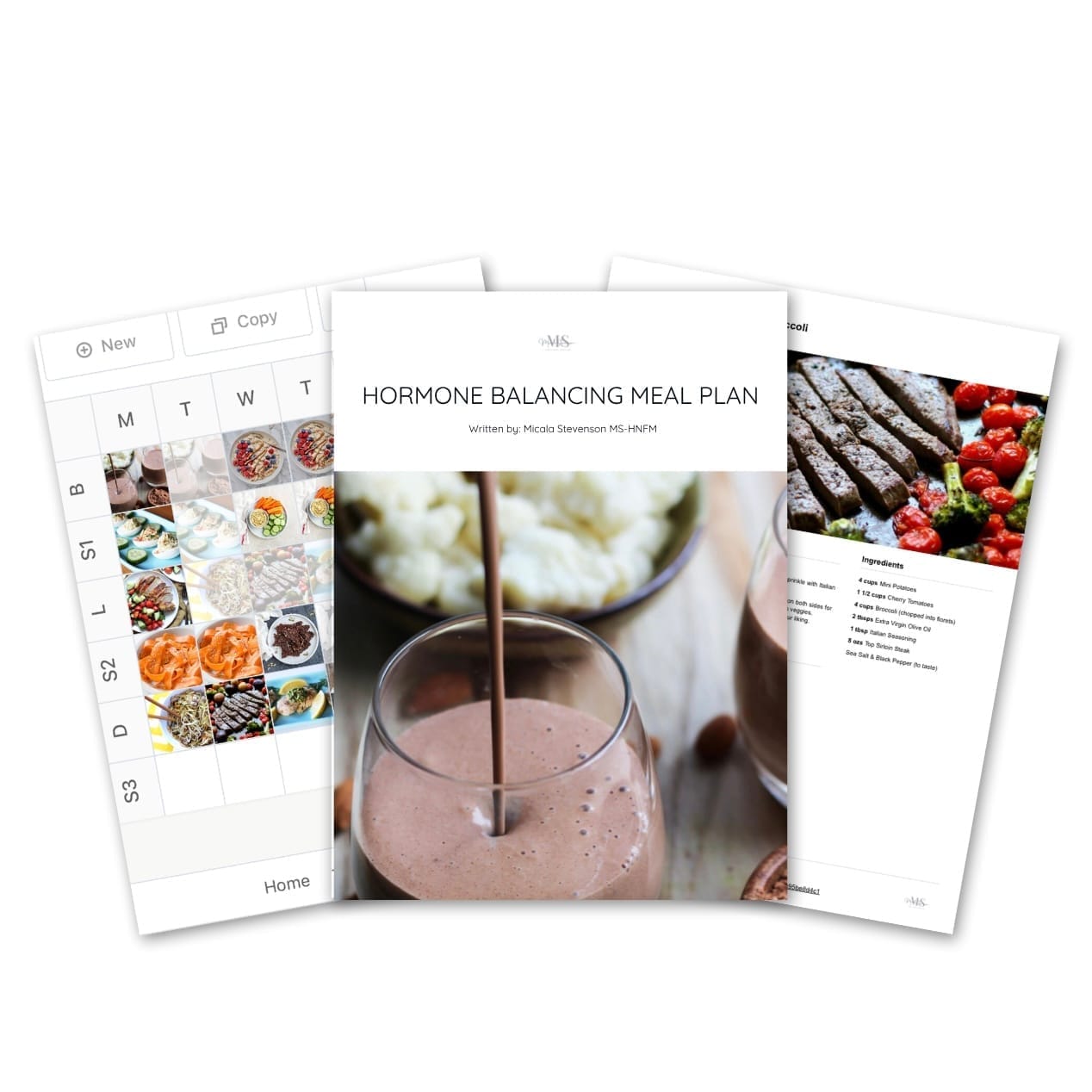
Want a Copy of Our Free Hormone-Healing Meal Plan?
Enter your email to get instant access to our free 7-Day Hormone-Healing Meal Plan
Your email address is safe with us. We never share your information with anyone.
Let us know what you think in the comments!
YOU MIGHT ALSO LIKE
Want Access to My Online Supplement Dispensary?
Click below to receive discounts and special offers on all your favorite brands.

© 2025 Micala Stevenson. All Rights Reserved