Helping women transform fatigue, mood swings, and hormone struggles into lasting balance and glow.
Trying to Conceive? 8 Fertility Red Flags You Shouldn’t Ignore
Fertility Red Flags
Early signs of infertility and how to support your hormones naturally
When you’re trying to conceive, it’s easy to assume that fertility struggles only become clear after months of negative pregnancy tests. But the truth is: your body often gives early fertility red flags long before you start TTC.
Some of these signs show up in your menstrual cycle, while others show up in your mood, skin, energy, digestion, or overall hormone balance. These symptoms don’t automatically mean you’re infertile—but they do mean your body may need support.
Below are the most common fertility red flags women shouldn’t ignore, why they happen, and research-backed nutrition strategies to help improve hormonal health and fertility naturally.
1. Irregular or Unpredictable Cycles
A healthy cycle typically ranges from 26–32 days. If your cycle length jumps around significantly each month, this is one of the biggest early signs of ovulation issues.
Irregular cycles can be linked to:
blood sugar imbalances
thyroid dysfunction
high cortisol
post-birth-control recovery
nutrient deficiencies (B-vitamins, zinc, magnesium)
low progesterone
Why this impacts fertility
Irregular cycles often mean irregular or absent ovulation—and without ovulation, conception can’t happen.
What supports cycle regularity
Prioritize meals with protein, fiber, and healthy fats
Support thyroid with selenium + iodine-rich foods (eggs, brazil nuts, seaweed)
Track ovulation with cervical mucus or LH strips
Reduce caffeine if you struggle with stress or anxiety
2. Heavy Bleeding or Severe Menstrual Cramps
Extremely painful periods, clotting, or heavy flow (“flooding”) are not normal and can indicate deeper hormonal or inflammatory issues.
Possible causes:
endometriosis
fibroids
estrogen dominance
inflammation
low progesterone
poor liver detoxification
Fertility connection
These conditions can make implantation harder and disrupt ovulation—two major factors in natural conception.
Natural ways to support hormone balance
Eat anti-inflammatory foods daily (berries, turmeric, ginger, leafy greens)
Add cruciferous vegetables for estrogen metabolism
Limit sugar and alcohol
Track symptoms each cycle to identify patterns
3. A Short Luteal Phase (Under 10 Days)
A short luteal phase is one of the most overlooked fertility red flags. This phase should ideally last 11–14 days.
Symptoms of a short luteal phase:
spotting before your period
PMS that feels extreme
low basal body temperature
difficulty staying pregnant
Why this matters
A short luteal phase usually means low progesterone, which makes it harder for a fertilized egg to implant.
How to strengthen your luteal phase
Include daily magnesium-rich foods
Eat slow-digesting carbs & protein to stabilize blood sugar
Increase vitamin C for natural progesterone support
Avoid intense workouts during this phase
4. Chronic Stress, Anxiety, or Burnout Symptoms
High cortisol from stress can disrupt every part of your reproductive cycle by:
delaying ovulation
lowering progesterone
shortening the luteal phase
increasing PMS or PMDD symptoms
contributing to irregular cycles
Why this affects fertility
Your body prioritizes survival over reproduction. Chronic stress can literally pause ovulation.
Nutrition + lifestyle support
Eat regular meals to prevent cortisol spikes
Swap high-intensity workouts for strength or walking
Add magnesium, B-vitamins, and omega-3s
Schedule daily 10-minute nervous system resets
5. Hair Loss, Acne, or Unexplained Weight Changes
Skin and hair symptoms are often connected to:
PCOS
thyroid disorders
insulin resistance
inflammation
nutrient deficiencies
Why this matters
These conditions can affect ovulation, egg quality, and hormonal stability—key pieces of fertility.
Nutrition support
Eat 20–30g protein per meal
Increase omega-3s (salmon, sardines, flaxseed, walnuts)
Swap refined sugar for whole-food carbs
Add zinc and vitamin D-rich foods regularly
6. Extreme PMS or PMDD Symptoms
Severe mood swings, irritability, depression, or anxiety before your period signal deeper hormonal imbalance.
Common causes:
low progesterone
high estrogen
inflammation
serotonin fluctuations
stress or sleep disturbances
Fertility connection
If hormones are unstable in the luteal phase, conception and early pregnancy support may be compromised.
What helps
Cycle-sync your nutrition
Support blood sugar balance
Increase magnesium and vitamin B6
Prioritize consistent sleep
7. Fertility Issues After Stopping Birth Control
Many women expect immediate fertility after stopping hormonal birth control, but it’s common for ovulation to take months to return.
Common post-pill symptoms:
irregular cycles
low cervical mucus
luteal phase defects
mid-cycle spotting
Birth control may also deplete key fertility nutrients:
folate
B12
B6
zinc
vitamin C
magnesium
Natural post-pill support
Replenish nutrients with whole foods + supplements
Support liver detoxification with leafy greens & cruciferous veggies
Track ovulation gently without pressure
8. Digestive Problems or IBS-Like Symptoms
The gut plays a major role in:
hormone metabolism
inflammation levels
nutrient absorption
stress response
If you struggle with bloating, constipation, reflux, or unpredictable digestion, your fertility could be impacted.
How to support gut–hormone balance
Increase fiber slowly
Incorporate fermented foods
Reduce inflammatory oils
Eat a variety of colorful plants each week
When to Seek Support
You don’t need to wait a full year of trying to conceive before asking for help.
Seek support sooner if:
your cycles are irregular
you’re unsure if you’re ovulating
periods are painful or heavy
you’ve had a missing period for 3+ months
you have intense PMS or PMDD symptoms
you suspect hormonal imbalance or thyroid issues
Final Thoughts
Your menstrual cycle is one of your body’s most powerful indicators of health. When something feels “off,” it’s not a reason to panic—it’s a sign to listen.
Most fertility red flags can improve significantly with targeted nutrition, hormone support, and stress balancing.
Wondering if your symptoms could be linked to a hormone imbalance?
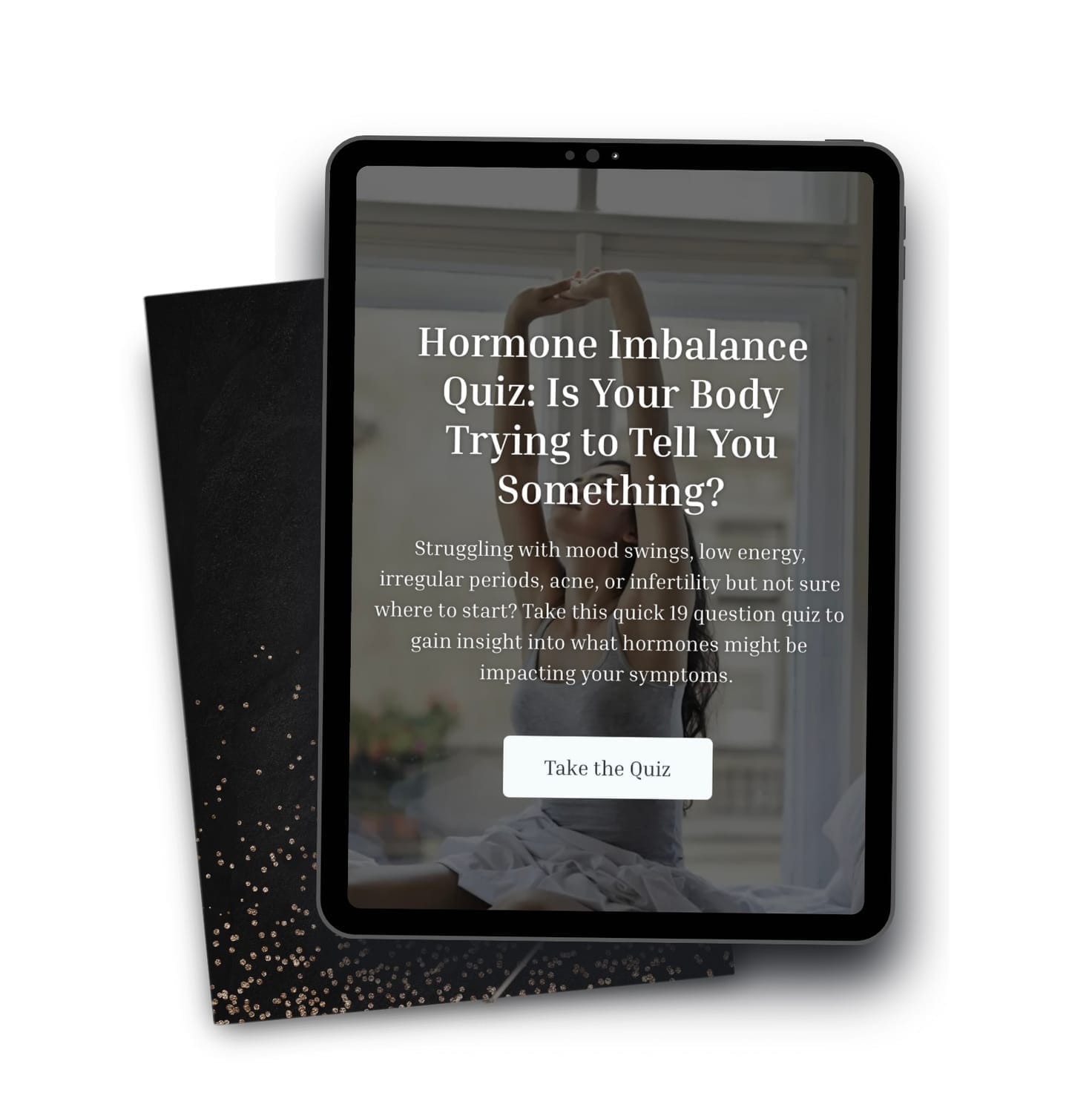
Take my quick Hormone Imbalance Quiz to discover what your body’s trying to tell you — and get personalized tips to start feeling like yourself again.
Your email address is safe with us. We never share your information with anyone.
Let us know what you think in the comments!
YOU MIGHT ALSO LIKE
Want Access to My Online Supplement Dispensary?
Click below to receive discounts and special offers on all your favorite brands.

© 2025 Micala Stevenson. All Rights Reserved